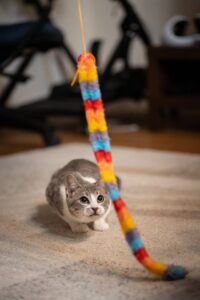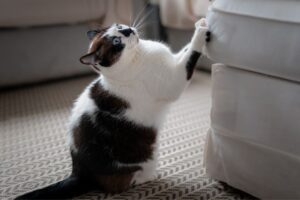
Living with a cat means living with a hunter. It does not matter if your cat has never stepped outside. The instinct is still there. The crouch behind the couch. The tail twitch before the leap. The focused stare at something only they can see. Toys are not random accessories. They are tools that give that instinct a safe outlet.
Over the years, I have tested dozens of toys with my own cats. Some were ignored within hours. Others became part of our daily routine. The difference always came down to one thing: does this toy trigger natural behavior?
In this guide, I will walk you through the top cat toys of the year, why they work, and how to use them correctly. No hype. Just practical advice that supports your cat’s mental and physical health.
Wand Toys: The Gold Standard of Interactive Play
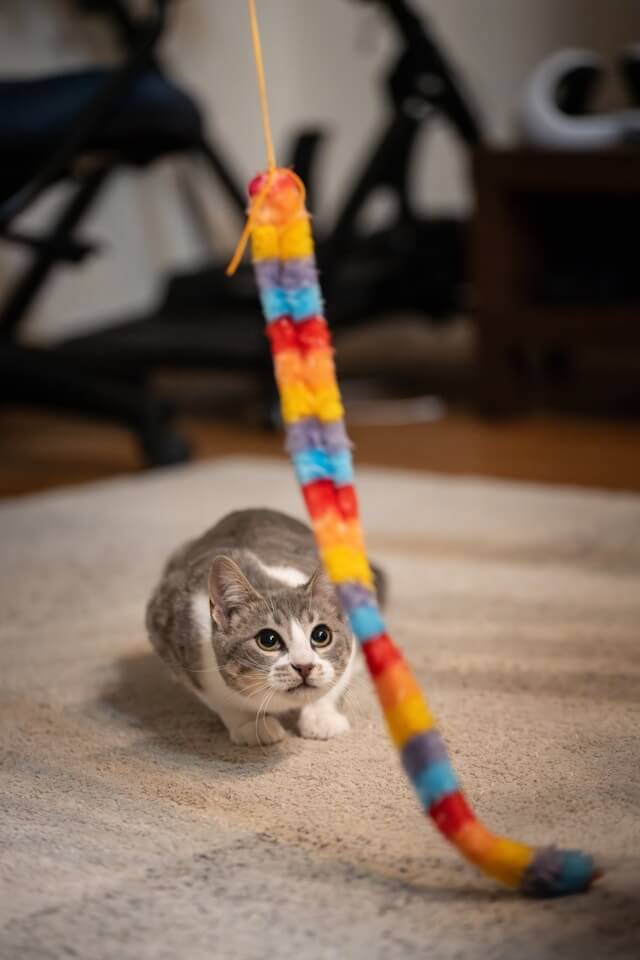
If you buy only one type of toy, make it a wand toy. Nothing else mimics prey movement as effectively. A simple rod with a string and feather attachment can activate the full hunting sequence: stalk, chase, pounce, grab, and kick.
The key is how you use it. Many owners wave it constantly in the air. Real prey does not move like that. Drag it along the floor. Let it disappear behind a chair. Pause. Then make it dart out again. When you play this way, your cat stays engaged longer and shows more focused behavior.
This year’s better wand toys come with interchangeable attachments and stronger cords. That matters. Cheap strings fray quickly and can become unsafe.
Always store wand toys out of reach when not in use. Cats can chew on loose strings, which is a real hazard.
Smart Interactive Toys for Independent Play
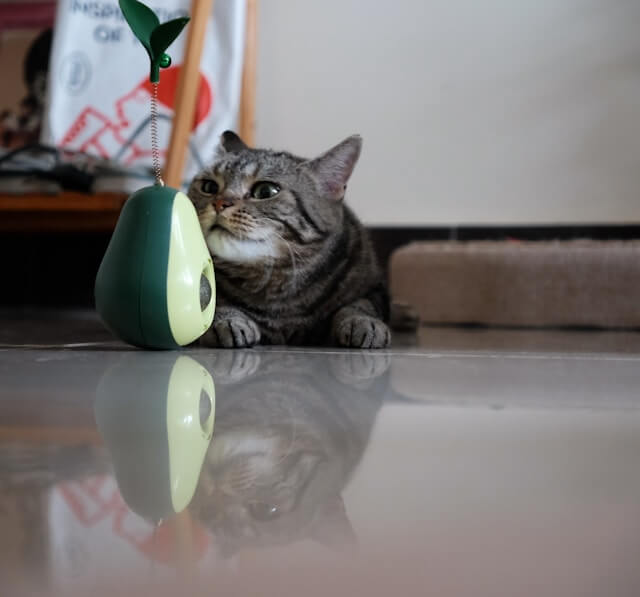
We all have days when we cannot dedicate long play sessions. That is where electronic toys can help. The newer models are more advanced than the old predictable spinning devices. Many now use motion sensors and randomized patterns so the movement feels less mechanical.
These toys are useful, but they are not a replacement for you. They work best as short-term stimulation while you cook, work, or handle other tasks.
Look for rechargeable options instead of battery-heavy models. Also check how the toy behaves on your flooring. Some barely move on thick carpet but work well on wood or tile.
I have noticed that shy cats often approach electronic toys more confidently. They can observe from a distance and engage on their own terms. That small detail can make a big difference for anxious personalities.
Puzzle Feeders: Turning Meals into Mental Work
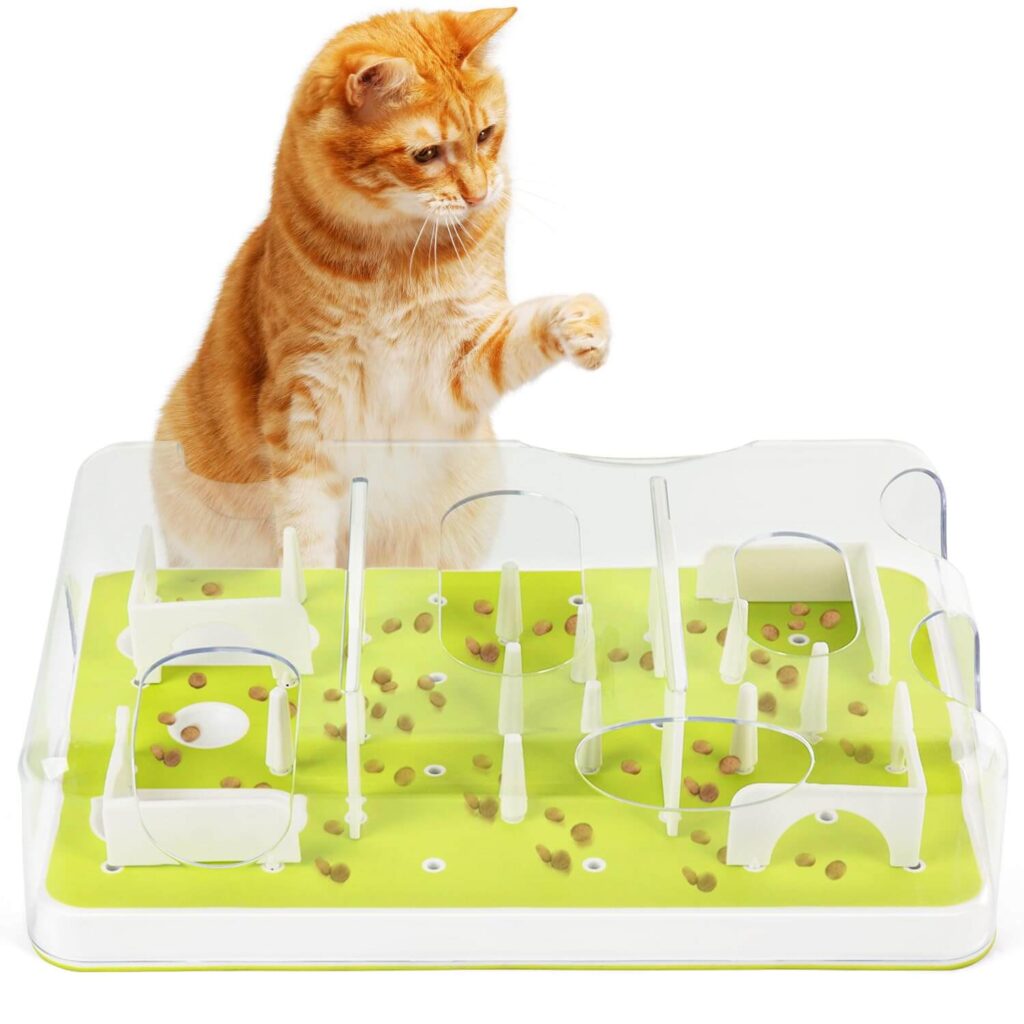
Feeding time is an opportunity for enrichment. In the wild, cats work for their food. Indoors, we often place it in a bowl and walk away. Puzzle feeders change that dynamic.
Instead of eating in two minutes, your cat has to paw, nudge, and think. This activates problem-solving skills and slows down fast eaters. Slower feeding can reduce regurgitation and help manage weight.
Start with a simple design. If the puzzle is too complex, your cat may become frustrated and stop trying. Once they understand the concept, you can increase the challenge.
For overweight indoor cats, replacing one daily meal with a puzzle feeder adds activity without increasing calories. It is a subtle but effective adjustment.
Kicker Toys and Plush Prey
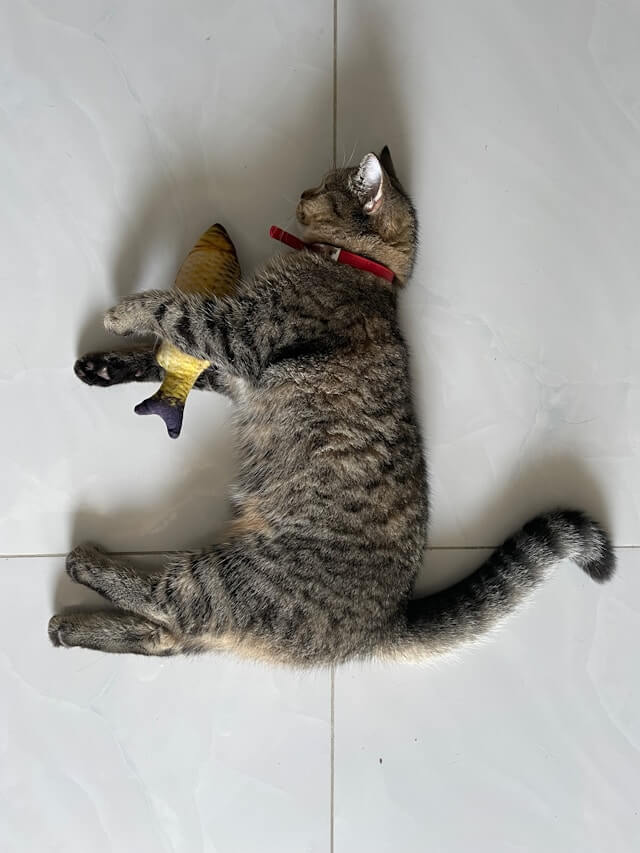
When a cat grabs a toy with the front paws and kicks with the back legs, that is bunny kicking. It is a powerful predatory behavior designed to immobilize prey. Long kicker toys are made specifically for this motion.
These toys are especially helpful if your cat tends to grab your arms or legs during play. Redirecting that energy toward a plush kicker protects both of you.
Many include catnip or silvervine. Not every cat responds to catnip. If yours does not, silvervine is worth trying. It often triggers a response in cats that ignore catnip completely.
Check stitching and durability before buying. A torn plush toy with exposed stuffing is not safe.
Balls and Track Toys: Simple but Effective
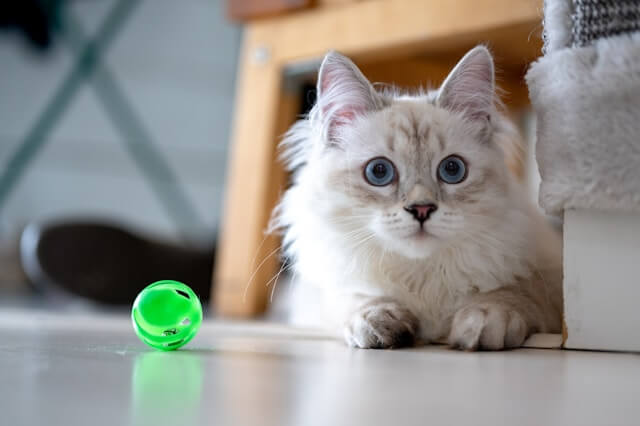
Some of the most effective toys are the simplest. Lightweight balls, crinkle toys, and enclosed track systems give cats something to chase without your constant involvement.
Track toys with enclosed balls are particularly useful in apartments. They prevent toys from rolling under furniture and keep the play contained.
These toys often become nighttime entertainment. Many cats will bat a ball around when the house is quiet. If that becomes disruptive, store them away before bed.
Make sure the ball size is appropriate. It should not fit entirely inside your cat’s mouth.
Catnip, Silvervine, and Scent-Based Enrichment
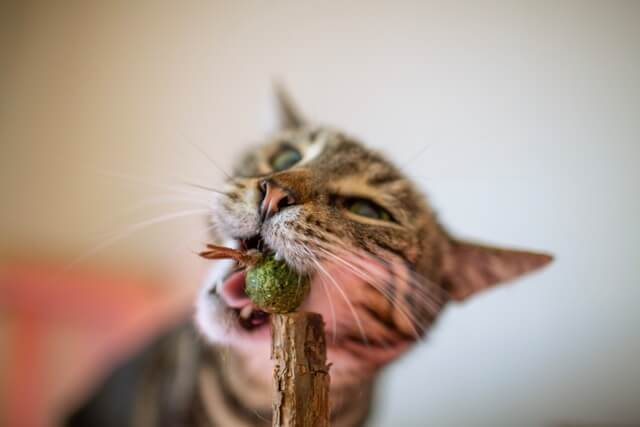
Scent plays a strong role in feline behavior. Catnip contains a compound that stimulates many cats for a short period, usually around ten minutes. During that time, they may roll, rub, or become playful.
Silvervine contains additional active compounds and often works on cats that do not react to catnip.
You can use refillable catnip toys or offer silvervine sticks for chewing. The chewing action can also support mild dental stimulation.
Use these products in moderation. If offered daily, the response may weaken. A few times per week keeps the effect consistent.
Matching Toys to Your Cat’s Personality
The most important factor in choosing toys is not brand or trend. It is your cat’s personality.
Observe how your cat hunts. Some prefer ground movement and slow stalking. Others respond to fast aerial motion. Food-driven cats often enjoy puzzle feeders more than motion toys.
Age also matters. Kittens need frequent, short bursts of play. Adult cats benefit from two structured sessions per day. Senior cats still need stimulation, but intensity should be lower and focused on gentle movement.
Rotate toys every one to two weeks. Store some out of sight and reintroduce them later. Novelty increases engagement without increasing cost.
Safety and Responsible Play
Inspect toys regularly for wear. Remove anything with loose threads or broken pieces. Avoid leaving string-based toys unattended. If you use a laser pointer, always end the session by letting your cat catch a physical toy. That final capture completes the hunting cycle and prevents frustration.
Supervised, structured play is far more effective than leaving a pile of toys on the floor.
Final Thoughts
The top cat toys of the year are not defined by flashy design or marketing. They work because they activate instinct. They encourage movement, thinking, and controlled bursts of energy.
Play is part of responsible cat ownership. It supports healthy weight, reduces stress, and strengthens your bond. Ten focused minutes of intentional play can prevent destructive behavior and improve your cat’s overall well-being.
Choose toys that match your cat’s personality. Rotate them. Use them with purpose. When you respect the hunter inside your cat, you create a more balanced and content home.